Vintage Carnival: Reviving Art Deco Elegance in Modern Design
In the ever-evolving landscape of graphic design, trends often cycle back to eras defined by distinct visual identities. Among these, the Art Deco period stands out for its geometric precision, luxurious ornamentation, and bold typographic statements. For designers seeking to capture this specific aesthetic without sacrificing modern functionality, Vintage Carnival emerges as a compelling solution. This typeface is not merely a collection of letters; it is a carefully crafted tool that bridges the gap between historical nostalgia and contemporary digital needs. By understanding the nuances of this font, creators can elevate their projects with a sense of timeless charm and visual impact that resonates across various media.
The Aesthetic Foundation of Art Deco Typography
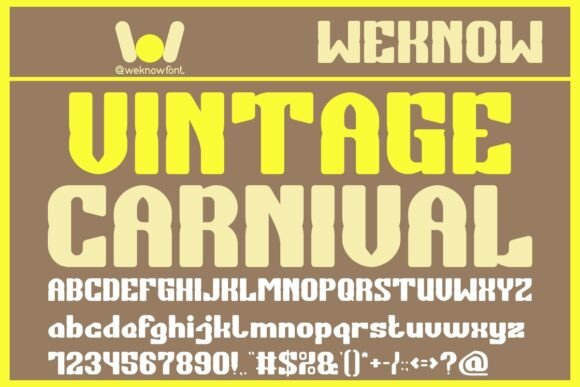
To fully appreciate the utility of Vintage Carnival, one must first understand the principles of the Art Deco movement. Emerging in the 1920s and 1930s, Art Deco was characterized by symmetry, streamlined forms, and a celebration of modernity. Typography from this era often featured high-contrast strokes, decorative swashes, and a vertical emphasis that conveyed stability and grandeur. Vintage Carnival distills these elements into a versatile display font that retains the eclectic vibe of the original era while ensuring legibility in modern contexts.
The font’s design language is steeped in classic vintage elegance. It avoids the excessive clutter that sometimes plagues retro-inspired typefaces, opting instead for a robust structure that commands attention. This balance makes it an ideal choice for projects that require a strong visual hierarchy. Whether used in print or digital formats, the font’s distinct character ensures that the message is not only read but felt. The artistic integrity of the typeface allows it to stand proud in any composition, providing a foundational aesthetic that speaks to quality and sophistication.
Strategic Applications in Brand Identity and Logo Design
One of the most powerful applications of Vintage Carnival is in the realm of corporate identity and logo creation. In a market saturated with minimalist sans-serif logos, a brand that utilizes a distinctive Art Deco font can immediately differentiate itself. The font’s ability to infuse an eclectic vibe into design projects makes it particularly suitable for businesses in the hospitality, fashion, and entertainment sectors.
- Hospitality and Dining: Restaurants and bars aiming for a speakeasy or roaring twenties theme can use this font to create menus, signage, and branding materials that transport customers to a different era.
- Fashion and Luxury Goods: Brands focusing on heritage and craftsmanship can leverage the font’s elegant lines to convey a sense of exclusivity and timeless style.
- Creative Agencies: Design firms looking to showcase their versatility might incorporate Vintage Carnival into their own branding to demonstrate a mastery of historical styles.
When creating a logo, the robust nature of the font ensures that it remains recognizable even at smaller sizes. However, its true strength lies in its use as a display element. The intricate details and unique letterforms draw the eye, making it perfect for attention-grabbing headings that define a brand’s voice. By pairing Vintage Carnival with simpler, complementary typefaces for body text, designers can create a balanced visual system that is both striking and readable.
Enhancing Print Media with Typographic Flair
Despite the dominance of digital media, print remains a vital channel for tangible brand experiences. Vintage Carnival is a top pick for print mediums, offering a tactile quality that digital screens often fail to replicate. From magazines and books to comics and posters, the font adds a layer of sophistication that enhances the reader’s engagement.
In magazine layouts, the font can be used for feature headlines to break up the monotony of standard editorial typography. Its artistic flair complements high-quality photography and illustrations, creating a cohesive visual narrative. For book covers, particularly in genres such as historical fiction, mystery, or noir, the font instantly signals the tone and setting of the story. The classic vintage elegance of the typeface aligns perfectly with themes of intrigue and nostalgia, drawing potential readers in before they even open the book.
Posters and promotional materials also benefit significantly from the font’s visual impact. Whether advertising a local jazz festival, a theater production, or a vintage market, Vintage Carnival provides the necessary gravitas to make the event feel significant. The font’s versatility allows it to adapt to various color schemes and paper textures, ensuring that the final product looks professional and polished.
Digital Presence and Social Media Optimization
While rooted in history, Vintage Carnival is equally effective in upgrading the aesthetic of digital spaces. In an age where visual consistency is key to building an online following, using a distinctive font can help establish a recognizable brand identity across platforms. YouTube channels, Instagram profiles, and websites can all benefit from the font’s distinct character.
For content creators on platforms like YouTube, thumbnail text is crucial for click-through rates. Using Vintage Carnival for titles can make videos stand out in a crowded feed, especially if the content relates to history, art, music, or lifestyle. The font’s bold strokes remain legible even on small mobile screens, ensuring that the message is clear regardless of the device.
On Instagram, where aesthetics drive engagement, the font can be used in story highlights, quote graphics, and promotional posts. Its tasteful flair adds a touch of refinement to casual social media content, elevating the overall perception of the brand. Websites can incorporate the font for hero sections, call-to-action buttons, and section headers, creating a immersive user experience that feels curated and intentional.
Creative Industries: Music, Film, and Gaming
Beyond traditional marketing and branding, Vintage Carnival finds a natural home in creative industries such as music productions, films, and games. These sectors often rely on strong visual themes to immerse audiences in their worlds. The font’s ability to adorn apparel designs, posters, and promotional materials with a tasteful flair makes it an invaluable asset for creative directors and artists.
In music, album covers and merchandise often serve as extensions of the artist’s persona. For musicians exploring genres like swing, jazz, or indie rock with a retro influence, Vintage Carnival provides a typographic voice that matches the sonic atmosphere. Similarly, in film and gaming, the font can be used for title sequences, in-game signage, and promotional trailers to establish a specific time period or mood. Its robust structure ensures that it holds up well against complex backgrounds and dynamic visuals, maintaining clarity and impact.
Implementation Best Practices for Designers
To maximize the effectiveness of Vintage Carnival, designers should consider several best practices. First, pair the font with neutral, sans-serif typefaces for body text to avoid visual clutter. The ornate nature of Art Deco fonts can become overwhelming if used excessively, so restraint is key. Use Vintage Carnival primarily for headings, logos, and short phrases where its details can be appreciated.
Second, pay attention to spacing and kerning. Display fonts often require manual adjustment to ensure optimal readability and aesthetic balance. Experiment with letter spacing to find the right rhythm for your specific design context. Finally, consider the color palette. Art Deco design often features rich, contrasting colors such as gold, black, deep red, and navy blue. Aligning the font with these traditional color schemes can enhance its vintage appeal, while modern pastel or monochrome palettes can give it a contemporary twist.
By integrating Vintage Carnival thoughtfully into your design workflow, you can create projects that are not only visually stunning but also deeply resonant with audiences. Its versatility, artistic merit, and robust construction make it a valuable addition to any designer’s toolkit, capable of bringing a touch of timeless elegance to any creative endeavor.